First Floor or Elevator Access? The Arcadia Storage Choice That Can Save You Time on Move-In Day
First Floor or Elevator Access? The Arcadia Storage Choice That Can Save You Time on Move-In Day
Alicia Aguirre
June 10th, 2026
Moving into a storage unit may seem straightforward at first. After all, once you've selected the right unit size, packed your belongings, and scheduled your move, it can feel like the biggest decisions are already behind you. However, one factor that many people overlook until move-in day arrives is the location of the unit itself. Specifically, should you choose a first-floor unit or one that requires elevator access? While both options can provide a secure and convenient place to keep your belongings, the difference between them often becomes apparent the moment you start unloading boxes, furniture, and equipment. A unit's location can influence how much time you spend moving items, how physically demanding the process feels, and how convenient future visits will be.
For those researching storage options in Arcadia, understanding the practical advantages of each access type can help create a smoother experience from the very beginning. Rather than focusing only on square footage or pricing, it is worth considering how you plan to use the unit throughout your rental period. In many cases, the right access level can make storage feel significantly more convenient long after move-in day is over. Arcadia residents often balance busy schedules filled with work, family commitments, and local activities. If you’re spending time at Santa Anita Park, enjoying the trails and gardens at the Los Angeles County Arboretum and Botanical Garden, or simply maintaining an organized home, storage can provide valuable flexibility. Choosing a unit that fits your access needs helps ensure that flexibility remains convenient whenever you need it.
Key Points for Readers Short on Time
- First-floor storage units typically provide the quickest and easiest loading experience.
- Elevator access units can be highly practical for lighter belongings and occasional visits.
- The items you plan to store should influence which access option makes the most sense.
- Long-term convenience is just as important as move-in day efficiency.
- Planning your storage layout can improve accessibility regardless of unit location.
Why Unit Access Has a Bigger Impact Than You Might Expect
When people begin comparing storage units, they naturally focus on size first. The logic makes sense. You need enough room for your belongings, and nobody wants to pay for more space than necessary. Yet once the moving truck arrives, many renters quickly discover that accessibility affects the entire experience just as much as square footage. For example, imagine moving a large sectional sofa, several bookshelves, and dozens of packed boxes. Even if your unit is the perfect size, the process will feel very different depending on whether those items can be unloaded directly into a ground-level space or transported through hallways and elevators first. Every additional step, turn, and trip adds time and effort.
Moreover, accessibility continues to matter long after the move is complete. A storage unit is rarely a place you visit only once. Many people return periodically to retrieve seasonal items, rotate equipment, access business inventory, or reorganize belongings. Consequently, choosing the right access level can influence your overall satisfaction for months or even years. The Self Storage Association notes that evaluating access requirements before selecting a unit can help renters choose a storage solution that better aligns with how they intend to use the space over time. This simple consideration often leads to a more convenient storage experience overall.
The Convenience Advantage of First Floor Storage
For many renters, first-floor units are appealing because they simplify nearly every stage of the moving process. Since the unit is located at ground level, there is often a direct path between your vehicle and your storage space. As a result, loading and unloading can be completed more efficiently, especially when dealing with large or heavy belongings. This convenience becomes particularly noticeable during larger moves. Furniture, appliances, mattresses, and oversized boxes can be difficult enough to maneuver without adding elevators or additional hallways into the equation. With a first-floor unit, movers can typically transport items more quickly while reducing the amount of lifting and repositioning required.
Furthermore, first-floor units can be especially valuable when you anticipate frequent visits. Business owners, contractors, and individuals who regularly access stored items often appreciate being able to load and unload materials with minimal interruption. Saving just a few minutes on each visit may not seem significant initially, but those minutes can add up considerably over time. Another benefit involves flexibility. Life circumstances change, and storage needs often evolve. What begins as a temporary storage solution for household items may eventually become a space for business inventory, recreational equipment, or seasonal decorations. Having easy access can make those transitions more manageable.
Why Elevator Access Units Remain a Popular Choice
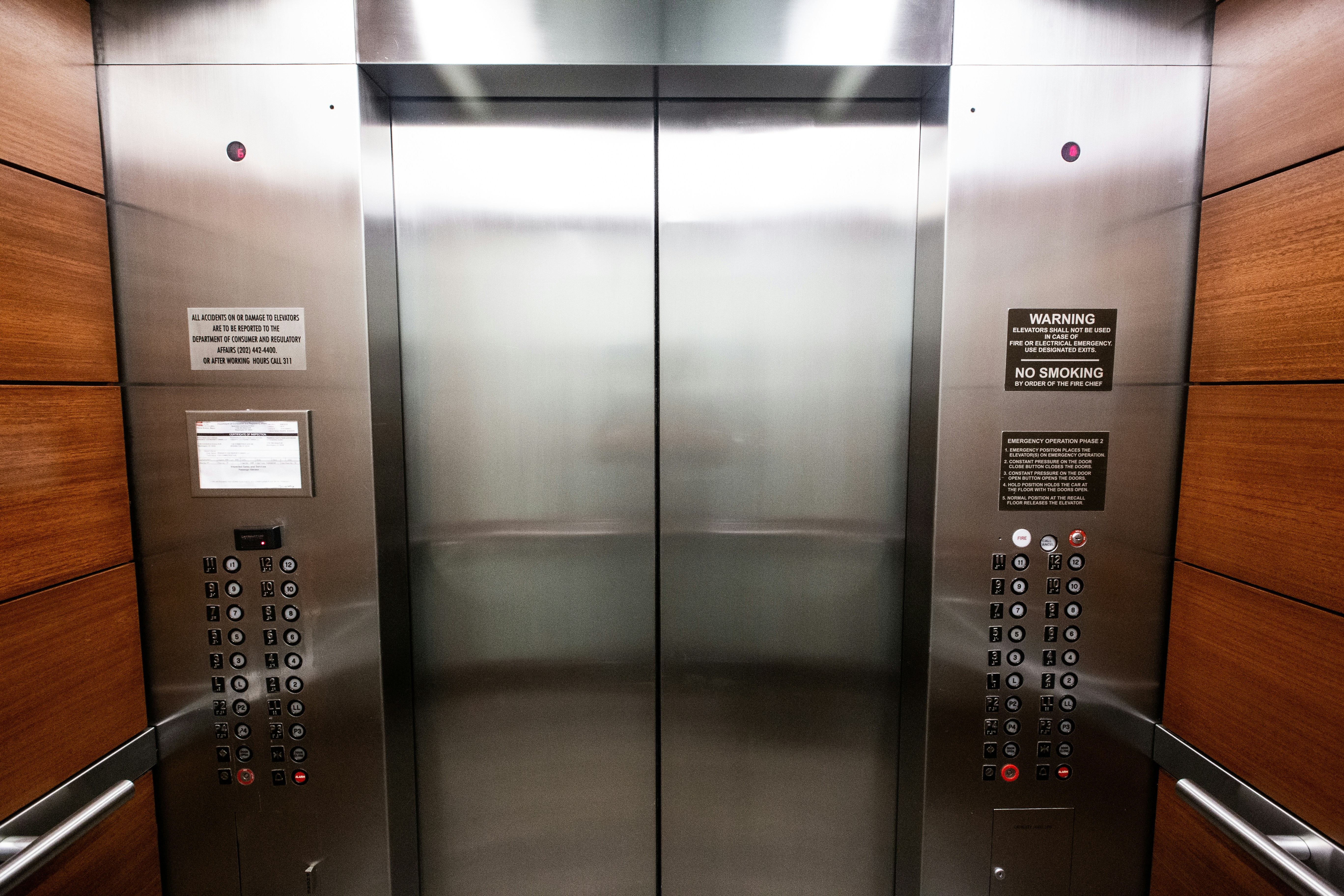
Although first-floor units receive much of the attention, elevator-access storage remains an excellent option for many renters. Modern storage facilities are designed with convenience in mind, and upper-level units often feature wide elevators, spacious hallways, and readily available moving carts that simplify transportation. Because of these improvements, the difference between first-floor and elevator access may be less dramatic than many people assume. In fact, renters who primarily store boxed household goods, office supplies, collectibles, or personal belongings often find elevator access perfectly suitable for their needs.
Additionally, some customers prefer upper-level units because they offer greater availability or access to specific unit sizes that may not be available on the ground floor. Therefore, focusing exclusively on first-floor access could potentially limit your options when searching for the ideal storage space. What ultimately matters is how well the unit aligns with your intended use. If your belongings are relatively easy to transport and you expect only occasional visits, elevator access may provide all the convenience you need while still delivering an excellent storage experience.
Consider What You Are Actually Storing
One of the most effective ways to decide between first-floor and elevator access is to evaluate the nature of the items you plan to store. While this may seem obvious, many renters underestimate how much certain belongings influence the overall moving process. For example, large furniture pieces present very different challenges than boxes of clothing or holiday decorations. A sofa, dining table, or heavy appliance often requires multiple people to move safely. In these situations, direct ground-level access can significantly reduce frustration and physical strain.
Conversely, someone storing smaller household items may not experience much difference between access types. If your belongings fit comfortably on a rolling cart and can be moved in a few trips, elevator access may remain highly practical. It can be helpful to picture your move before selecting a unit. Think about how many trips you expect to make, whether you are using professional movers, and how frequently you will revisit the unit afterward. These considerations often provide a clearer answer than simply comparing floor levels.
Looking Beyond Move-In Day
While move-in day naturally receives the most attention, it should not be the only factor influencing your decision. In fact, long-term convenience often becomes even more important after the initial move is complete. Many renters discover that their storage unit becomes an extension of their home. Seasonal decorations, sports equipment, hobby supplies, family keepsakes, and extra furniture may cycle in and out throughout the year. Therefore, accessibility can continue to affect your experience long after the last moving box has been unpacked.
This is particularly relevant in Arcadia, where residents frequently enjoy local attractions and outdoor recreation. The Los Angeles County Arboretum and Botanical Garden, for example, remains a popular destination for walking, photography, and seasonal events. Maintaining convenient access to recreational equipment, event supplies, or household overflow can help support a more organized lifestyle while preserving valuable space at home. When viewed through this long-term lens, the decision becomes less about a single moving day and more about creating a storage solution that remains convenient throughout your rental period.
Making Any Move Easier
Regardless of which access option you choose, thoughtful preparation can make a substantial difference. A well-planned move often feels faster, safer, and far less stressful than one that relies entirely on improvisation. Before arriving at the facility, take time to organize belongings according to how frequently they will be needed. Items that you expect to access regularly should remain near the front of the unit, while long-term storage items can be placed toward the back. Similarly, labeling boxes clearly on multiple sides can save considerable time when searching for specific belongings later. Many experienced storage renters also recommend creating a simple floor plan before moving in. Although this requires a few extra minutes of preparation, it can prevent hours of rearranging boxes and furniture afterward. More importantly, it helps maximize usable space while maintaining access to important items.
Apartment Residents Often Have Different Priorities
Storage needs can vary significantly depending on living arrangements. Apartment residents, for instance, frequently use self-storage to supplement limited closet space, accommodate changing household needs, or maintain a less cluttered living environment. Because apartment moves often involve multiple smaller trips rather than a single large relocation, elevator access units may feel more manageable than they would during a major household move. At the same time, renters who regularly transport belongings between an apartment and a storage unit may still appreciate the convenience of first-floor access. For additional insights into maximizing living space while minimizing moving headaches, this guide to apartment storage in Arcadia explores practical strategies that many residents find helpful.
Accessibility Is Only One Piece of the Puzzle
While access plays a major role in convenience, it should be considered alongside other storage features as well. Certain belongings may benefit from specialized storage environments, particularly if they include electronics, documents, photographs, collectibles, or other sensitive materials. As you compare options, it may be helpful to review this climate-controlled storage guide for Arcadia, which explains how different storage environments can help support long term preservation for a variety of items. By considering both accessibility and storage conditions together, renters can make more informed decisions that align with their specific goals.
Choosing the Right Access for Your Storage Needs
Ultimately, there is no universally correct choice between first-floor and elevator access storage. The best option depends on your belongings, your moving plans, and how often you expect to visit the unit in the future. First-floor storage often delivers maximum convenience for large moves, heavy items, and frequent access. Meanwhile, elevator access units can provide an efficient and practical solution for many renters, particularly when storing lighter belongings or making occasional visits.
The key is taking a realistic look at how you plan to use the space rather than focusing solely on move-in day. By considering both your immediate needs and your long-term habits, you can select a storage unit that remains convenient throughout your rental experience. As you explore storage options in Arcadia, understanding the differences between first-floor and elevator-access units can help simplify the moving process and create a more enjoyable storage experience from start to finish.
Categories