Climate Controlled FAQ: A Practical Guide for Storing in Arcadia
Climate Controlled FAQ: A Practical Guide for Storing in Arcadia
—
March 30th, 2026
When researching storage options in Arcadia, it becomes clear that climate-controlled storage is one of the most discussed features. At first glance, it may sound like an upgrade designed for convenience, but in reality, it plays a much more important role in protecting belongings over time.
This climate-controlled FAQ explores the most common questions people have, while also connecting them to the local conditions in Arcadia, CA. Because the environment here is generally pleasant, it can be easy to assume that extra protection is unnecessary. However, once you look more closely at how temperature and humidity fluctuations affect stored items, the value of climate control becomes easier to understand.
What Is Climate-Controlled Storage and Why Does It Matter?
To begin with, climate-controlled storage refers to units that maintain a consistent temperature range, typically between 55°F and 85°F. In addition, many facilities regulate humidity levels to prevent excess moisture from building up inside the unit. This consistency is important because materials naturally expand and contract when exposed to changing temperatures. Over time, even small fluctuations can lead to noticeable damage. For instance, wood can warp, paper can yellow or become brittle, and electronics can suffer from internal condensation.
In contrast, climate-controlled environments aim to reduce these risks by keeping conditions stable. While this may seem like a subtle difference, it becomes increasingly important the longer items remain in storage. As a result, climate-controlled units are often chosen for items that need to retain their original condition.
How Does Arcadia’s Climate Influence Storage Needs?
Although Arcadia is known for its comfortable and sunny weather, it still experiences seasonal shifts that can affect stored belongings. The region follows a Mediterranean climate pattern, with warm summers and mild winters. At first, these conditions may not seem extreme. However, the issue is not just about outdoor temperatures. Instead, it is how those temperatures translate inside enclosed storage spaces. For example, a standard storage unit can trap heat during the day, creating higher internal temperatures than the outdoor air. Then, as temperatures drop at night, the rapid change can create a cycle that stresses materials.
Furthermore, Arcadia’s proximity to the San Gabriel Mountains can occasionally introduce shifts in humidity. While these changes may feel minor, they can still affect sensitive items over time. Because of this, climate-controlled storage offers a way to buffer those variations and maintain a more predictable environment.
Which Items Truly Benefit from Climate-Controlled Storage?
As you consider whether climate-controlled storage is necessary, it helps to think about the specific items you plan to store. Not everything requires temperature regulation, but certain categories are far more vulnerable than others. For example, wooden furniture is particularly sensitive to temperature changes. Over time, repeated expansion and contraction can lead to cracks or warping. Similarly, paper-based items such as books, documents, and photographs can absorb moisture, which may cause discoloration or mold growth.
Electronics also benefit from stable conditions, as internal components can be affected by both heat and humidity. Even items like musical instruments and artwork can lose their quality when exposed to inconsistent environments. If you are unsure whether your belongings fall into these categories, this guide on how to tell if you need climate-controlled storage provides additional clarity. It breaks down the decision-making process in a way that connects directly to real storage situations.
How Climate Controlled Storage Works Behind the Scenes
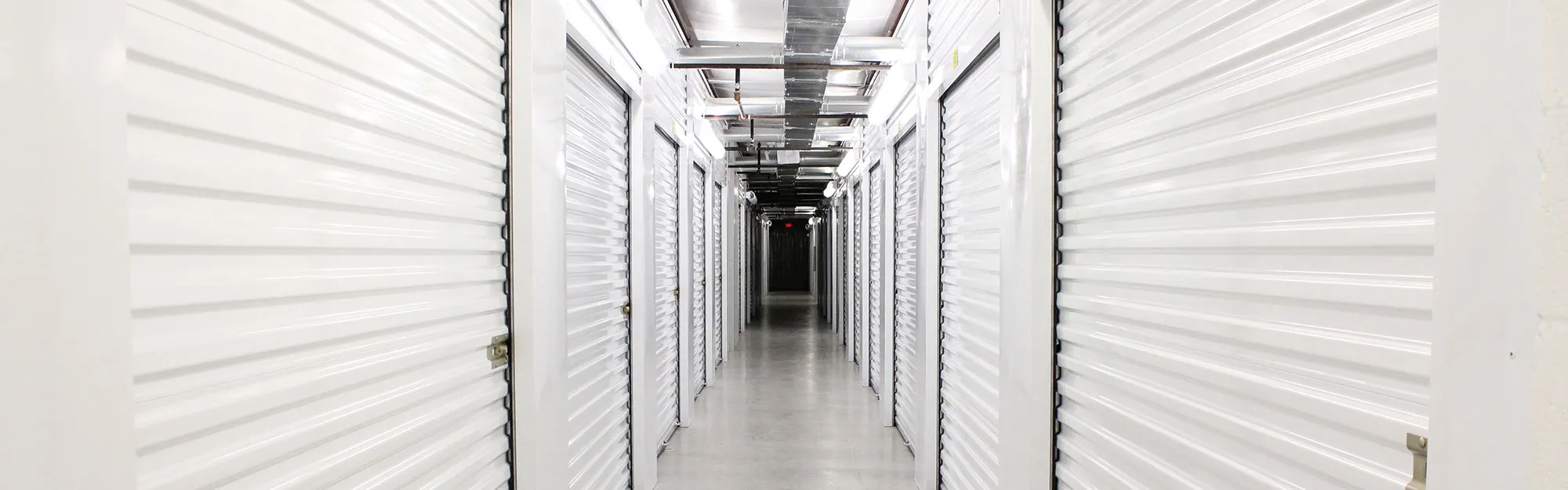
To better understand the value of climate-controlled storage, it helps to look at how these units function. Unlike standard units, which are often exposed to outside air through gaps or thin materials, climate-controlled units are typically housed within insulated buildings. These buildings are equipped with HVAC systems that run consistently to maintain both temperature and humidity levels. In addition, the construction itself helps prevent external air from entering, which further stabilizes the internal environment.
Because of this design, items stored inside are less likely to experience sudden environmental changes. Over time, this stability helps preserve both the structure and appearance of stored belongings. While the technology may operate in the background, its impact becomes more noticeable the longer items remain in storage.
Is Climate-Controlled Storage Worth the Additional Cost?
Naturally, one of the most common questions in any climate-controlled FAQ is whether the added cost is justified. Climate-controlled units typically come at a higher price point, largely due to the infrastructure required to maintain consistent conditions. That said, the answer depends heavily on what you are storing. If your items are durable and not easily affected by environmental changes, a standard unit may be sufficient. On the other hand, if you are storing items with financial or sentimental value, the added protection can prevent damage that would be far more expensive to repair or replace.
In other words, the decision often comes down to long-term preservation. While the upfront cost may be higher, it can help avoid issues that develop gradually over time. When viewed from that perspective, climate control is less about luxury and more about safeguarding your belongings.
How Long Does Climate Control Make a Difference?
Another important factor to consider is the length of time your items will be in storage. Short-term storage during stable weather conditions may not require the same level of protection. However, as storage duration increases, so does the potential for environmental impact.
For example, items stored over several months will likely experience multiple temperature cycles. Even in a mild climate like Arcadia, these cycles can accumulate and lead to gradual wear. Climate-controlled storage helps minimize this effect by maintaining consistent conditions throughout the entire storage period. Therefore, if you are planning for long-term storage, climate control becomes increasingly valuable. It offers a level of predictability that standard units simply cannot match.
Comparing Climate-Controlled and Standard Storage
When comparing climate-controlled storage to standard storage, the key difference lies in environmental stability. Standard units are more directly influenced by outdoor conditions, which means they can heat up during the day and cool down at night. Over time, this constant fluctuation can affect materials in ways that are not immediately visible. For instance, small changes in shape or texture may not be noticeable at first, but they can become more pronounced with prolonged exposure.
In contrast, climate-controlled units maintain a steady environment, reducing the likelihood of these changes. For a broader understanding of how to store items effectively, this resource on self-storage do’s and don’ts offers practical tips that complement the benefits of climate control.
How Arcadia’s Lifestyle Connects to Storage Choices
Arcadia offers a variety of recreational opportunities, from exploring local parks to visiting cultural attractions like the. These experiences often lead to collections of items that people want to preserve, whether it is outdoor gear, souvenirs, or personal keepsakes. Because of this, storage needs in Arcadia tend to be diverse. Some residents may store seasonal equipment, while others may need space for collectibles or hobby-related items. In many cases, these belongings benefit from a stable environment, especially if they are not used regularly.
Additionally, the active lifestyle in the area means that items are often stored for convenience rather than necessity. This makes it even more important to ensure that they remain in good condition while in storage. Taking the time to understand a climate-controlled FAQ can make a noticeable difference in how you approach storage. While Arcadia’s climate is generally mild, the effects of temperature and humidity changes can still add up over time, especially for sensitive items.
By considering factors such as what you are storing, how long it will remain in storage, and how environmental conditions may affect it, you can make a more informed decision. Climate-controlled storage is not always required, but in situations where preservation matters, it provides a reliable solution. As you continue exploring storage options in Arcadia, having a clear understanding of these concepts can help ensure that your belongings are stored in a way that supports their longevity.
Categories